Against the Mold: Desperry’s Vision for What Hip-Hop Can Be
- Alexandria Anglade

- Jan 4
- 3 min read
Written by Alexandria Anglade
Independence is not a branding choice for Desperry. It is a necessity. From writing and producing to recording, video editing, and artwork, nearly every detail of his creative universe passes through his own hands. That level of control did not come from ego. It came from being misunderstood.
“Most people don’t understand my vision or who I really am,” he explains. “They dismiss it as too quirky or too different, especially where I’m from. Instead of trying to understand it, they try to mold it.” After working with various producers and designers who could not execute what lived in his head, Desperry chose solitude over compromise. Outside of one engineer and one graphic designer, everything else happens alone. Recording at home gives him clarity. Studios can get chaotic. Working solo, he says, has helped far more than it has hurt.
At his core, Desperry is exactly who he sounds like: a video game and anime-loving nerd with a deep love for hip hop culture. He draws inspiration from artists who made space for individuality and imagination, figures who proved that being different was the point. Pharrell, Kanye West, Drake, André 3000, Kid Cudi, and Missy Elliott are not just influences, they are proof that the so-called “weird” kids can shape culture.
What Desperry stands for is simple but powerful: imagination, faith, love, and positivity. He lives by the idea of creatio ex nihilo, creating something from nothing. In his mind, anyone can do anything if they truly try.
His journey into music began long before he ever touched a microphone. Born in Jackson, New Jersey, he grew up surrounded by movement and sound. His mother played house records and dance music, spinning him across the floor like a ragdoll. Later, in a deeply religious household at his grandmother’s home, music became forbidden fruit. He would sneak to watch music videos while home sick from school, quickly turning the TV off when he heard her footsteps. The discipline could not kill the fascination.
A major culture shock hit when he moved to Germantown, Maryland at ten years old. Suddenly, everyone knew the latest rappers, the dances, the sneakers. He did not. When classmates tested him on Yung Joc’s “motorcycle” dance and laughed at his attempt, he went home and studied everything. Music videos, songs, artists. He caught up fast.
Then came the moment that changed everything. Sitting in the back of his mother’s minivan during a heavy snowfall, he heard “Heard ’Em Say” by Kanye West on the radio. His eyes widened. He asked for the album immediately. His first two CDs, Late Registration and Chris Brown, were played nonstop. He did not fully understand them yet, but he felt them.
By the time he moved to Virginia, music became communal. Friendships were built through shared love for Kanye, gaming sessions, Super Smash Bros. tournaments, and discovering artists like Big L, Curren$y, The Cool Kids, and Mac Miller. When a classmate casually pulled out a composition book in gym class and showed him handwritten raps, everything clicked. Poetry turned into possibility. A Rock Band microphone became his first studio tool. He was recording by thirteen. He got serious at twenty-two.
Looking at hip hop today, Desperry believes the genre is in a familiar cycle. “We’re in that 2006 ‘Lean With It, Rock With It’ era again,” he says. Fun, empty, repetitive, and necessary for the moment. But listeners eventually crave substance. Right now, he feels the culture is stalled. Nothing new, nothing risky. His goal is to disrupt that stagnation.
His recording process reflects that freedom. It often starts with digging through type beats online until something sparks. If nothing fits, he creates the sound himself. Flow and melody come first, usually alongside the hook. Verses may follow if the track calls for it. Ad-libs and background vocals sometimes complete the song faster than expected. When it becomes infectious, it is done.
Albums, however, are different. He never knows they are finished until they are finished. He works until the very last second if something feels off. Sequencing, track order, and replay value matter deeply to him. Rather than forcing strict themes, he builds projects through balance. Bangers, jam tracks, softer songs, melodic autotune cuts, and bar-heavy records all coexist. If each track complements the next, listeners will leave with something that connects.
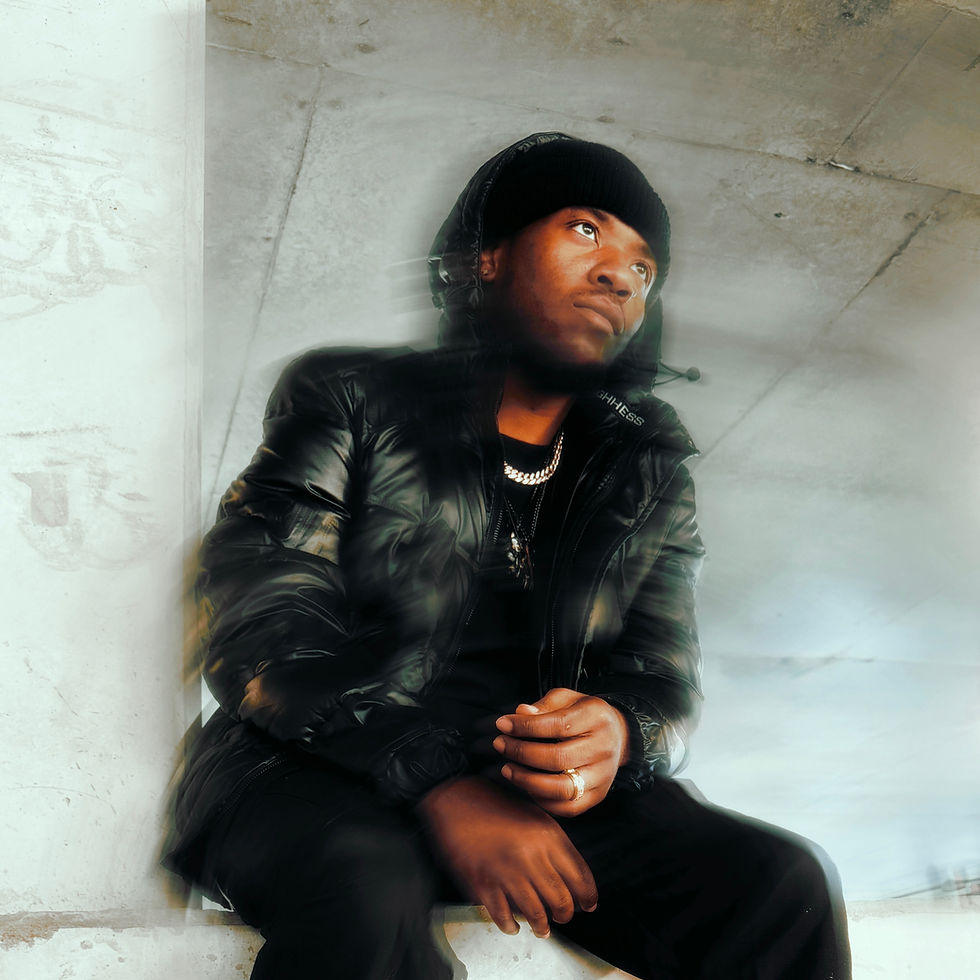
Instagram: @desperryy


Comments